
Safdarjung Tomb: A Quiet Monument to Mughal Delhi
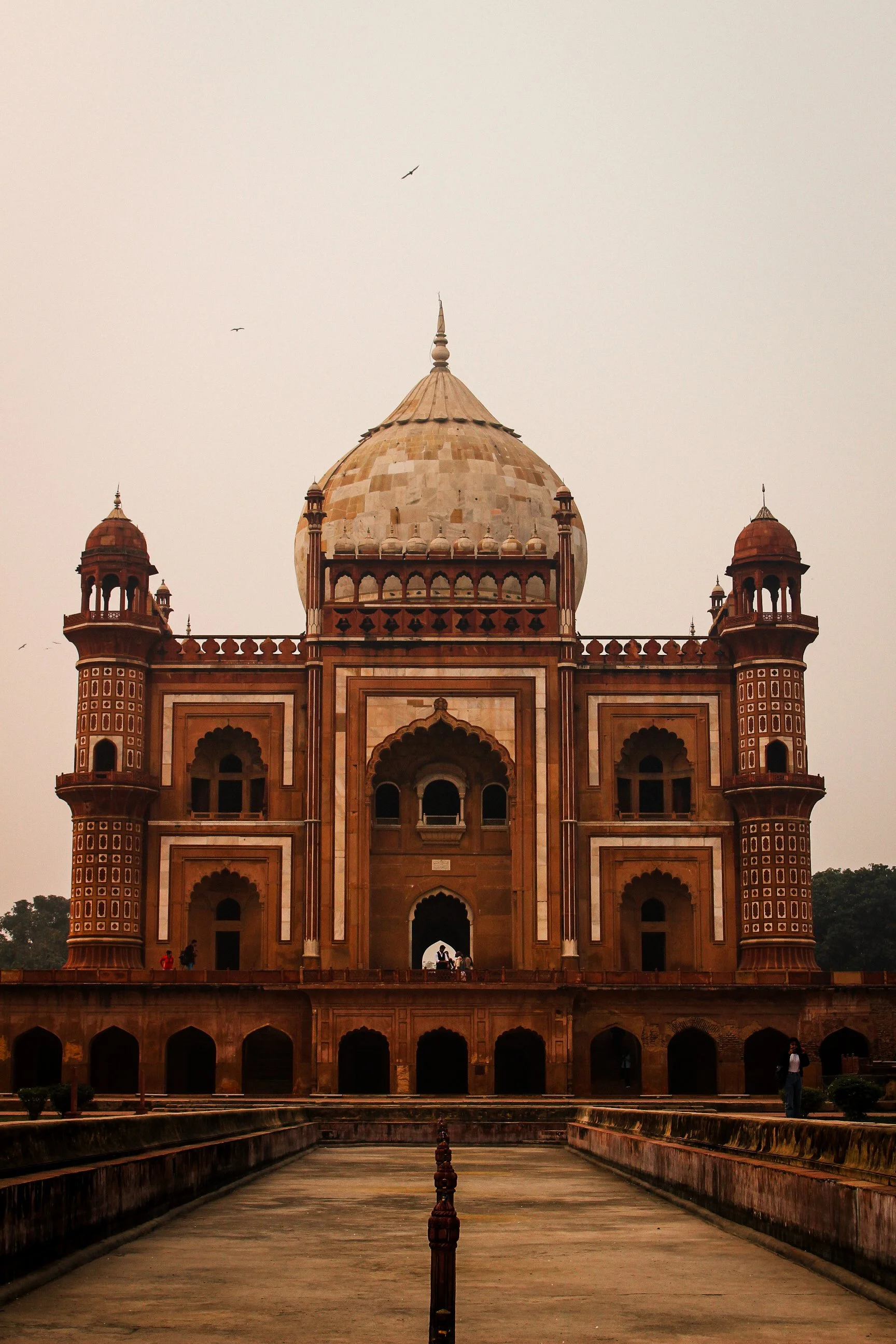
Safdarjung Tomb, Jor Bagh, New Delhi, Delhi, India
It is a marble mausoleum. It was built in the year 1754 by Safdarjung’s Son Shuja-ud-Daula (1732 – 1775) during the reign of Mughal Emperor Ahmed Shah Bahadur (1725 – 1775) and his son pleaded with the Mughal Emperor to permit him to erect a tomb from his father.
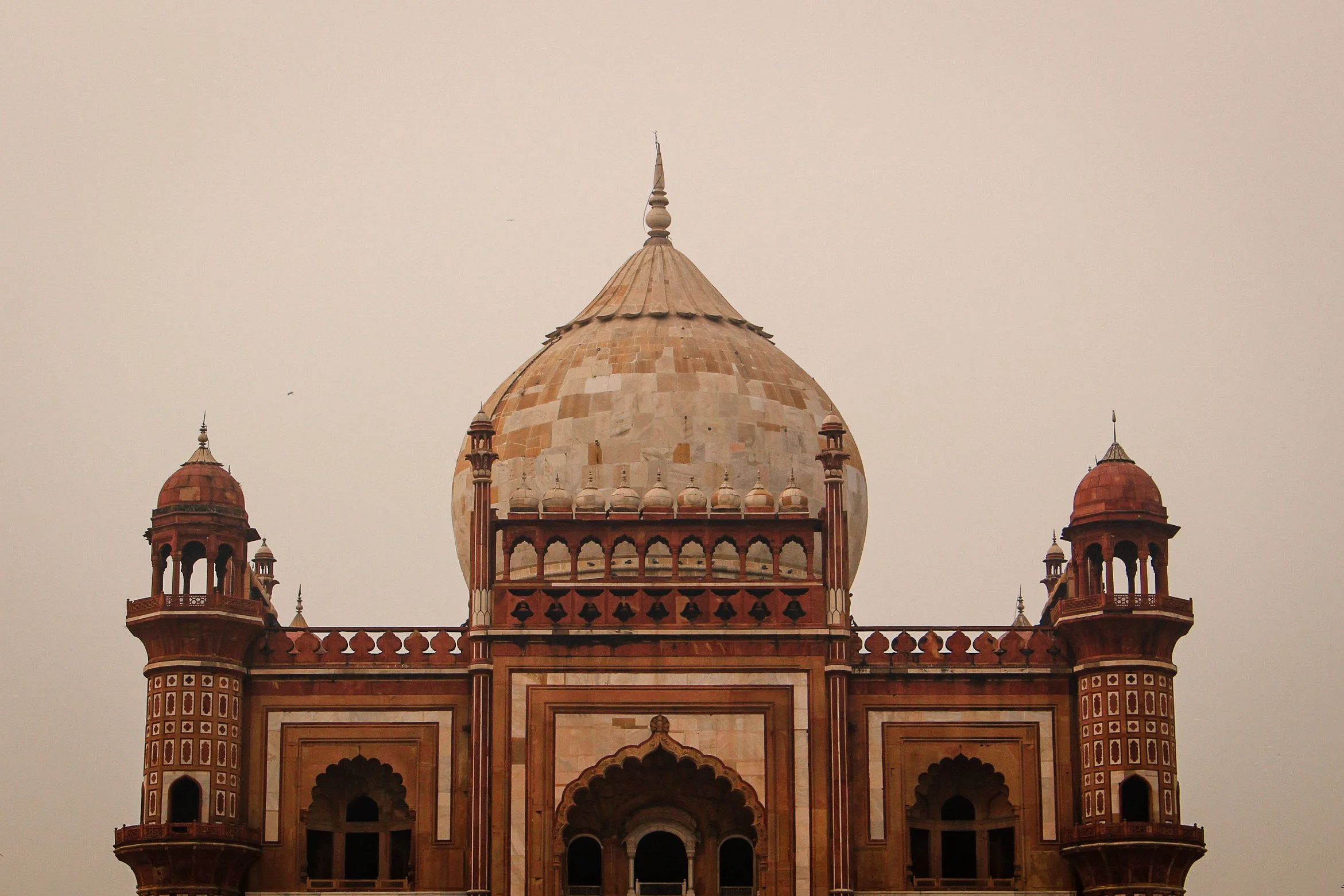
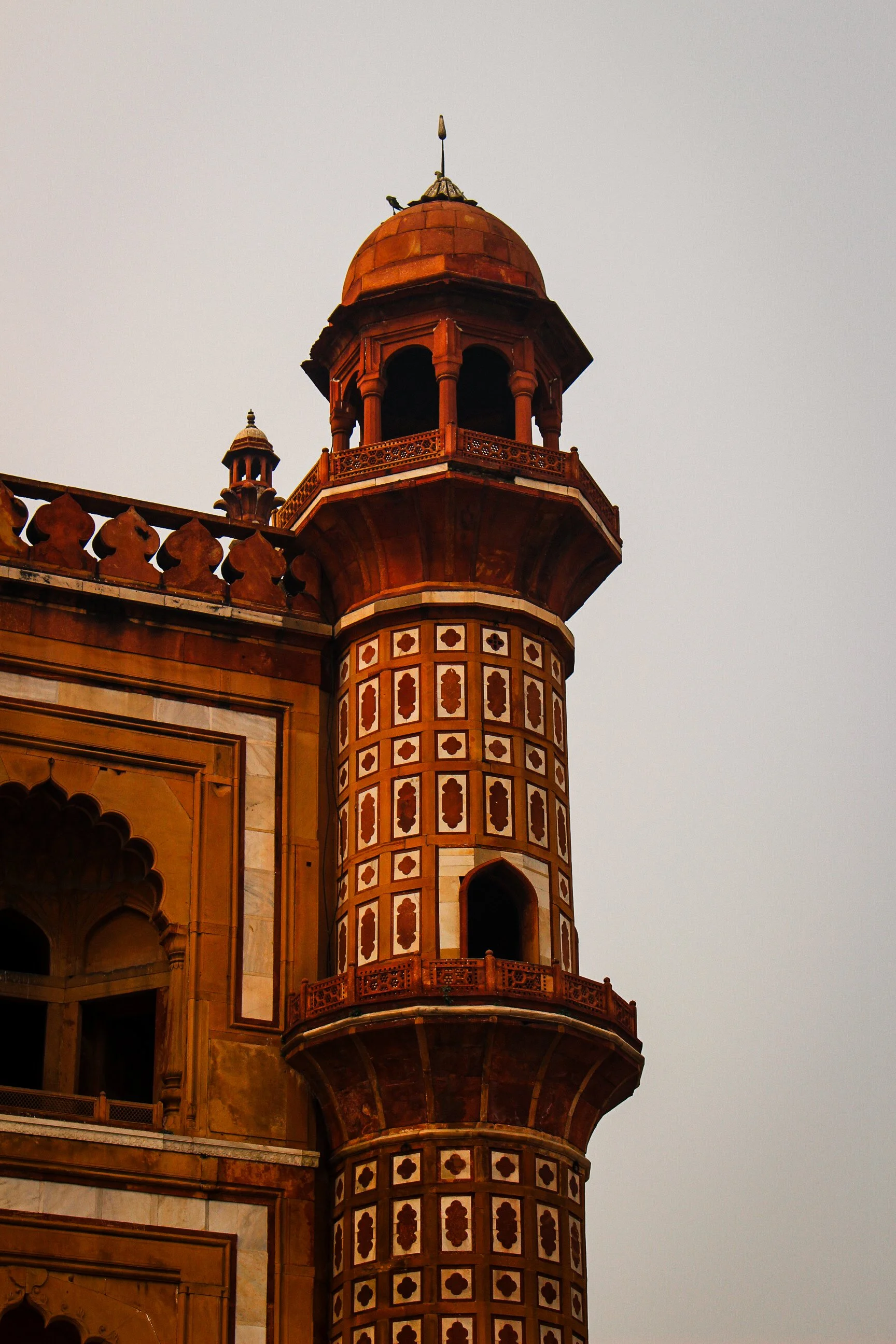
Made in a late Mughal Empire style for Nawab Safdarjung (1708 – 1754). In 1753, the Marathas drove Safdarjung out of Delhi than in 1754 when Safdarjung deceased, it was specially made for him by Shuja-ud-Daula.
It stands up to 92 ft and 28 m. This monument has an ambiance of spaciousness and an imposing presence with an arched red-brown and white-colored structures and designed by an Abyssinian architect.
In 1993, it was declared as a UNESCO World Heritage Site and rated amongst the world’s best tourist places in New Delhi and the top historical places.
The Safdarjung Tomb resembles a great mansion frozen in time. It is one of Delhi's most exquisite Mughal relics, with cream-colored marble, red sandstone, a big dome, and lovely gardens. However, the Safdarjung Tomb is more than just a monument to one individual. It reflects a fascinating period in Delhi's history, when the once-mighty Mughal Empire was progressively losing control.
A Tomb Built in the Later Mughal Era
The monument is designed in the typical Mughal garden-tomb style, inspired by some of the grander monuments built during the height of the Mughal Empire.
However, Safdarjung Tomb was constructed during a much later period, when the empire was already in decline.
It carries the grandeur of Mughal architecture, but also reflects the changing fortunes of the empire.
A Monument Surrounded by Gardens
One of the most stunning aspects of Safdarjung Tomb is its surroundings.
The monument is situated in the center of a vast Charbagh, or four-part Mughal garden. Pathways divide the gardens into geometric sections, with greenery, water channels and trees surrounding the central monument.
Walking through these gardens today feels surprisingly tranquil, especially given that the monument is situated in the heart of a bustling urban city.
And then, as you approach the tomb, the massive dome gradually rises above the trees, creating one of those iconic Delhi panoramas that photographers can never resist.
The Architecture
The main tomb is constructed of red sandstone and marble, with a great white dome rising above it.
The central room holds Safdarjung's cenotaph, with the real grave beneath it.
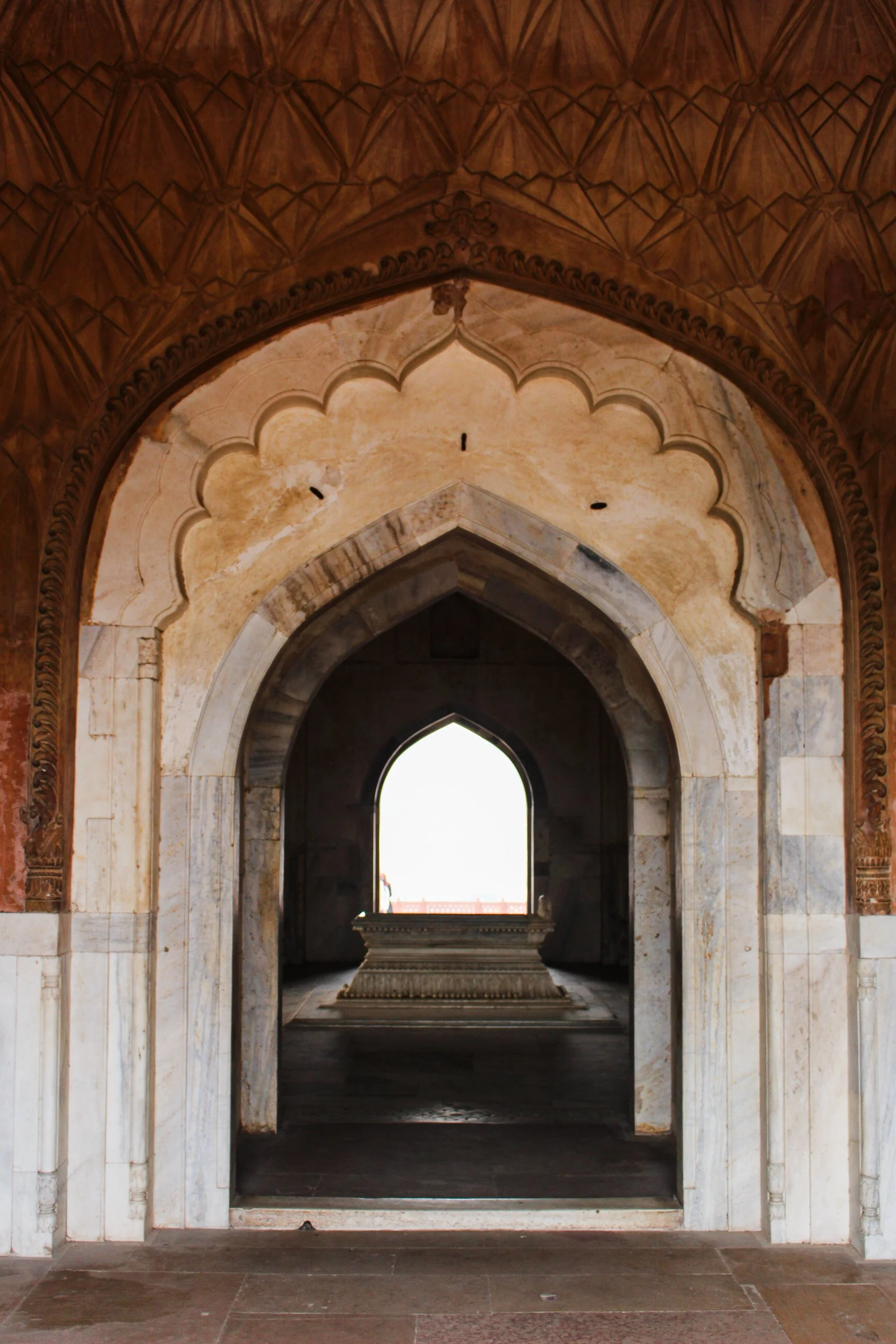
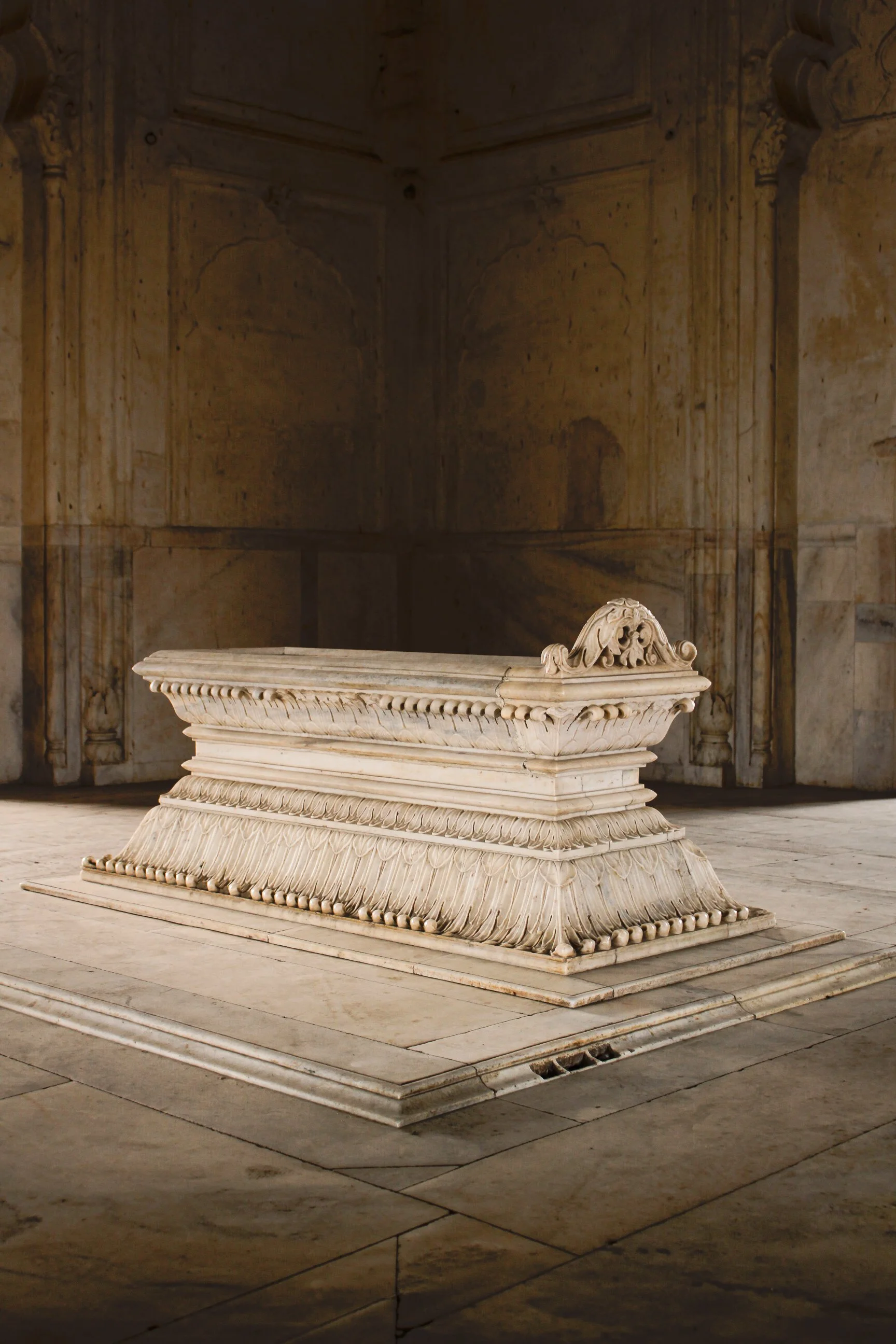
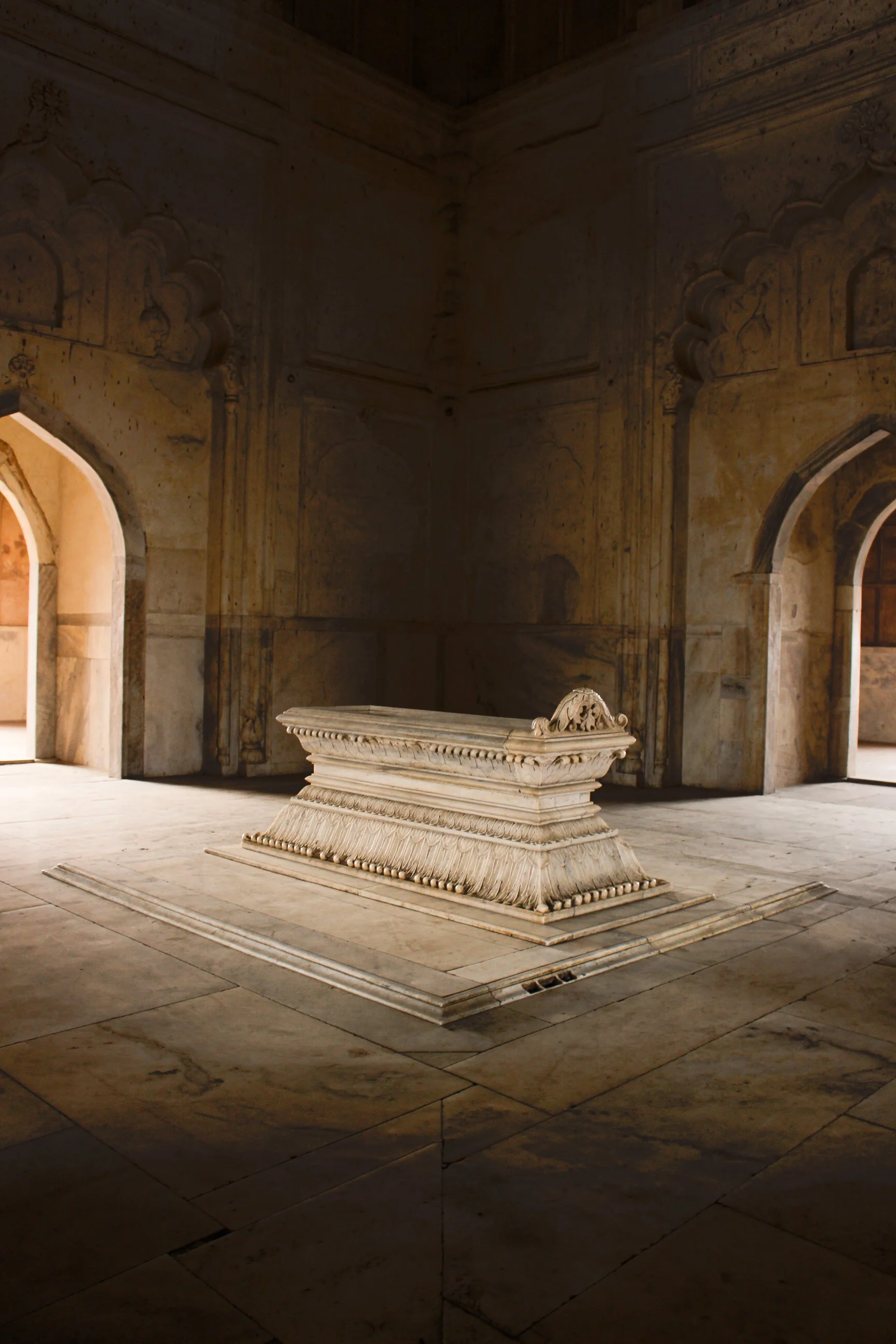
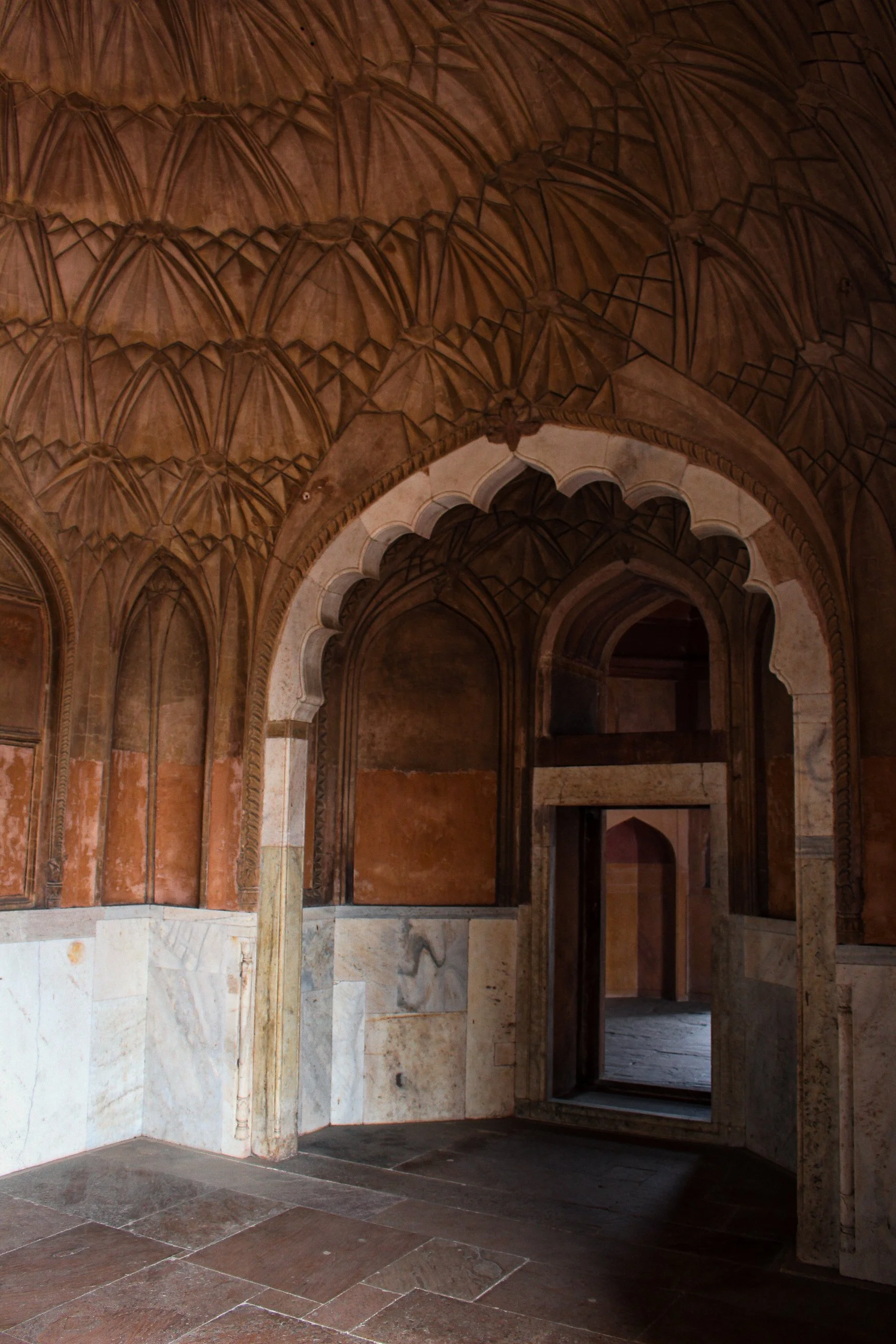
The monument also includes ornate arches, carved panels, balconies, and lesser domed buildings surrounding the main building.
That is exactly what makes it interesting.
The Safdarjung Tomb does not strive to match with the Taj Mahal's grandeur. Instead, it discreetly reflects the culmination of Mughal architectural history.
Delhi Through a Photographer's Lens
For a photographer, Safdarjung Tomb offers something special at almost every turn.
The symmetry of the gardens, the repeated arches, the contrast between red sandstone and pale marble, the massive dome against the sky, and the shadows cast by the gateways all contribute to stunning compositions.
Early mornings can bring soft light and quieter surroundings, while late afternoons can give the monument a warm golden glow.
Look beyond the main structure too. Sometimes the most interesting photographs are found in the smaller details — an arch, a doorway, a weathered wall, a tree framing the dome or sunlight falling across an empty pathway.